
The BIG Cloudflare Outage: Why the Cloud Fails All at Once
When the internet’s backbone breaks, millions of businesses discover just how fragile their digital infrastructure really is. The BIG Cloudflare Outage: Why the Cloud Fails All at Once isn’t just a technical curiosity—it’s a wake-up call for every creative professional, small business owner, and Mac-dependent operation that assumes the cloud will always be there. In 2025, as we’ve become increasingly reliant on cloud services, understanding why these massive failures happen and how to protect your business has never been more critical.
Key Takeaways
• Single points of failure in cloud infrastructure can cascade into global outages affecting millions of users simultaneously
• Creative professionals and small businesses using Mac ecosystems face unique vulnerabilities when cloud services fail
• Proactive redundancy planning and local backup systems provide essential protection against cloud service disruptions
• Understanding cloud dependencies helps businesses implement effective continuity strategies
• Professional IT consultation ensures your Mac infrastructure remains resilient during major cloud outages
Understanding The BIG Cloudflare Outage: Why the Cloud Fails All at Once
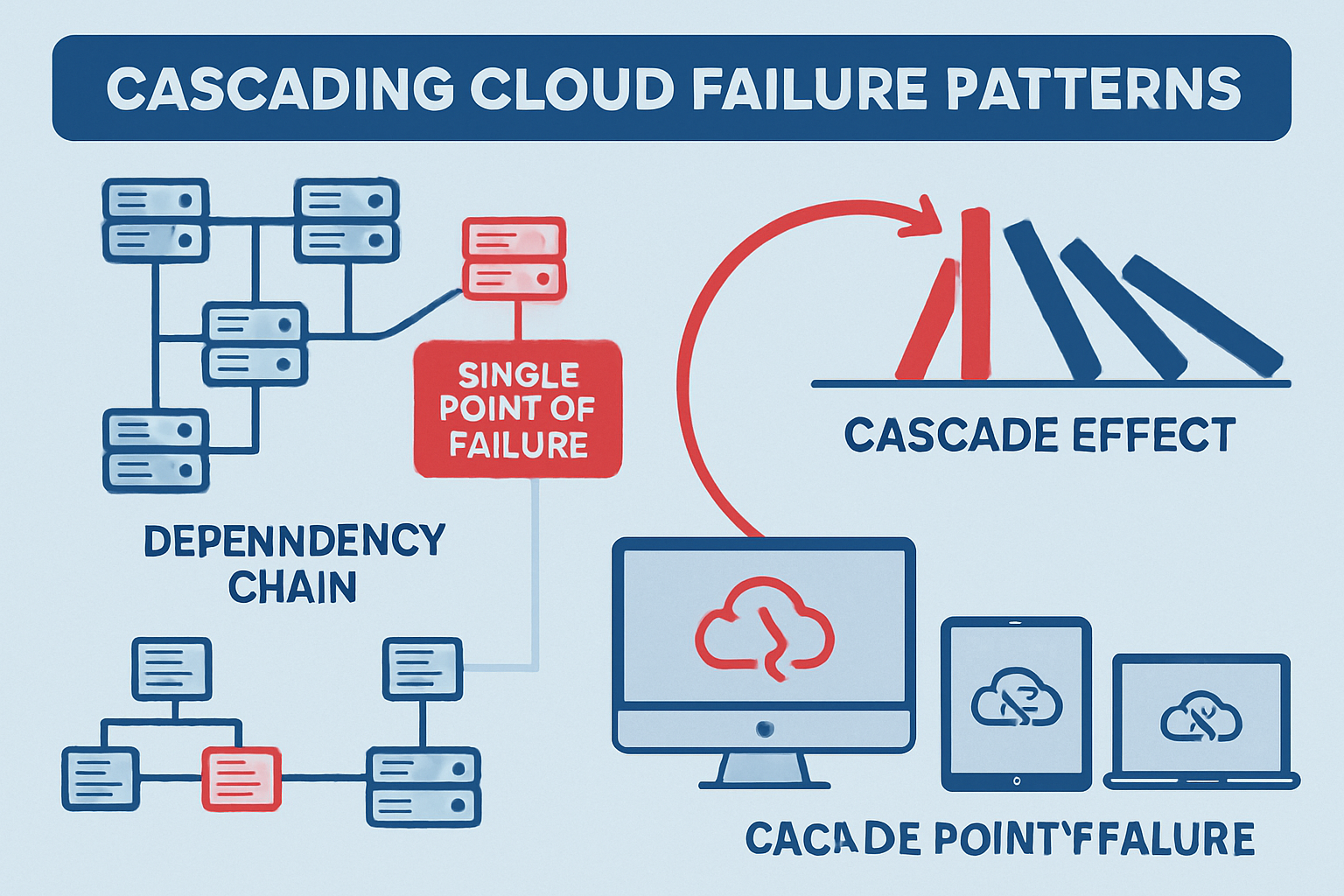
Cloudflare’s massive outages serve as perfect case studies for understanding how modern internet infrastructure can collapse like dominoes. When Cloudflare—a service that powers roughly 20% of all websites—experiences problems, the ripple effects touch everything from your favorite design tools to critical business applications that creative professionals rely on daily.
The fundamental issue lies in centralized dependency. Modern businesses, especially those running Mac ecosystems, have unknowingly placed enormous trust in a handful of cloud providers. When these services fail, the impact isn’t gradual—it’s immediate and comprehensive.
The Anatomy of Cascading Cloud Failures
Cloud outages don’t happen in isolation. They follow predictable patterns that reveal the interconnected nature of modern digital infrastructure:
Network Effect Amplification
- Single configuration errors propagate across global networks
- DNS resolution failures cascade to dependent services
- CDN disruptions affect multiple layers of web infrastructure
- API dependencies create chain reactions across platforms
Resource Exhaustion Spirals
- Traffic rerouting overwhelms backup systems
- Automated failover mechanisms trigger simultaneously
- Database connections exceed capacity limits
- Memory and processing resources become bottlenecked
For Mac users and creative professionals, these technical failures translate into real business disruptions. Adobe Creative Cloud becomes inaccessible, file sync services stop working, and collaborative tools go offline—all because of failures in infrastructure they never directly chose to depend on.
Why Mac Ecosystems Face Unique Cloud Vulnerabilities
Apple’s ecosystem, while generally more reliable than other platforms, creates specific vulnerabilities during major cloud outages. The tight integration between macOS, iOS, and cloud services means that when external dependencies fail, the impact can be more severe than on more loosely coupled systems.
iCloud Dependencies
- Document sync across devices stops functioning
- Photo libraries become inaccessible
- Keychain synchronization fails
- Handoff and Continuity features break down
Third-Party Service Integration
- Creative applications lose cloud rendering capabilities
- Collaboration tools embedded in workflows fail
- File sharing and client communication platforms go dark
- Project management integrations become unreliable
Understanding these vulnerabilities helps explain why proactive risk management becomes essential for Mac-based businesses. When cloud services fail, having local alternatives and backup systems isn’t just convenient—it’s business-critical.
The Hidden Infrastructure Behind The BIG Cloudflare Outage
Most business owners don’t realize how deeply their operations depend on services like Cloudflare until those services disappear. The company operates as invisible infrastructure—accelerating websites, filtering malicious traffic, and providing DNS services that translate domain names into IP addresses. When this infrastructure fails, the internet effectively breaks for millions of users.
The Domino Effect of DNS Failures
Domain Name System (DNS) failures are among the most devastating types of cloud outages because they disrupt the fundamental ability to access online services. When Cloudflare’s DNS service (1.1.1.1) experiences problems, the cascading effects touch every aspect of modern business operations.
Immediate Business Impact
- Email services become unreachable
- Cloud-based design tools stop loading
- Client communication platforms go offline
- File sharing and collaboration tools fail
Creative Workflow Disruptions
- Adobe Creative Cloud authentication fails
- Stock photo and asset libraries become inaccessible
- Cloud rendering services stop responding
- Version control systems for design files break
For creative professionals managing tight deadlines, these disruptions can mean missed deliverables and frustrated clients. The practical solutions with educational value that MacWorks 360 provides become invaluable during these crisis moments.
Content Delivery Network Cascades
Cloudflare’s CDN services highlight another critical vulnerability. When CDN nodes fail, websites don’t just slow down—they often become completely inaccessible as origin servers become overwhelmed by traffic that would normally be distributed across global edge locations.
Performance Degradation Patterns
- Website loading times increase exponentially
- Image and video content fail to load
- JavaScript and CSS files become unreachable
- Mobile applications lose connectivity to backend services
Geographic Impact Distribution
- Regional outages affect specific markets differently
- International collaboration becomes impossible
- Time zone differences amplify business disruptions
- Remote team coordination breaks down
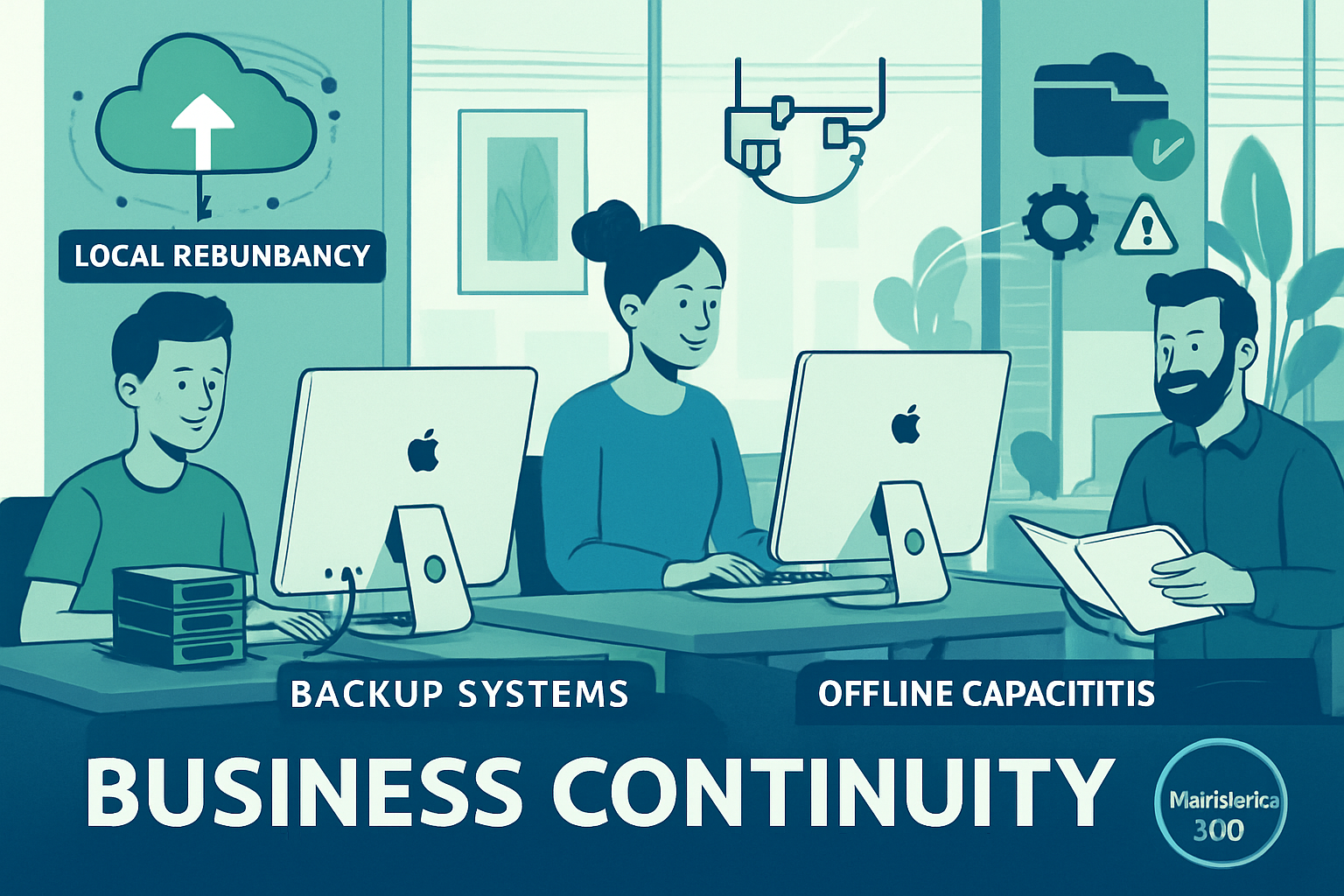
These patterns help explain why businesses need customized Mac infrastructure optimization that includes local redundancy and offline capabilities.
Building Resilience Against The BIG Cloudflare Outage Scenarios
Innovative businesses don’t wait for the next major cloud outage to develop contingency plans. They build resilience into their infrastructure from the beginning, creating systems that can maintain operations even when major cloud providers fail.
Local Infrastructure as Insurance
The most effective protection against cloud outages involves maintaining robust local infrastructure that can operate independently of external services. For Mac-based businesses, this means implementing solutions that keep creative workflows running even when the internet becomes unreliable.
Essential Local Redundancy
- Local file servers for immediate access to project files
- Offline-capable applications that don’t require constant internet connectivity
- Local backup systems that don’t depend on cloud sync
- Alternative internet connections through multiple ISPs
Mac-Specific Resilience Strategies
- Time Machine backups to local drives for immediate recovery
- Local network-attached storage (NAS) for team file sharing
- Offline-capable versions of essential creative applications
- Local DNS caching to reduce external dependencies
MacWorks 360’s approach to innovative solutions for Mac users includes designing infrastructure that maintains productivity during external service disruptions.
Diversified Service Dependencies
Relying on a single cloud provider—even one as robust as Cloudflare—creates unnecessary risk. Innovative businesses diversify their cloud dependencies across multiple providers and maintain fallback options for critical services.
Multi-Provider Strategies
- DNS redundancy across multiple providers (Cloudflare, Google, OpenDNS)
- CDN diversification to prevent single points of failure
- Email service alternatives that operate on different infrastructure
- File sync redundancy across numerous cloud storage providers
Communication Continuity Plans
- Multiple communication channels for team coordination
- Offline-capable project management tools
- Local file sharing capabilities for immediate collaboration
- Alternative methods for client communication during outages
Proactive Monitoring and Response
Understanding when cloud services are experiencing problems—before they impact your business—provides valuable time to implement contingency measures. Effective monitoring helps companies switch to backup systems before productivity suffers.
Early Warning Systems
- Service status monitoring for critical dependencies
- Automated alerts for performance degradation
- Network connectivity monitoring from multiple locations
- Application performance tracking for early problem detection
Rapid Response Protocols
- Pre-defined steps for switching to backup systems
- Team communication procedures during outages
- Client notification templates for service disruptions
- Recovery checklists for returning to normal operations
The peace of mind MacWorks 360 provides through its technology solutions includes comprehensive monitoring and response planning tailored to Mac-based creative workflows.
The Business Case for Cloud Outage Preparedness
Every hour of downtime costs businesses money, but for creative professionals working on client deadlines, the impact extends beyond immediate revenue loss to long-term reputation damage. Understanding the actual cost of cloud outages helps justify investments in redundancy and preparedness.
Calculating the Real Cost of Downtime
Most businesses underestimate the total cost of cloud outages by focusing only on direct revenue loss. The actual impact includes productivity loss, recovery time, damage to client relationships, and opportunity costs that can persist long after services are restored.
Direct Financial Impact
- Lost billable hours during outage periods
- Missed project deadlines resulting in penalties
- Emergency IT support costs for rapid recovery
- Overtime expenses to make up for lost productivity
Indirect Business Consequences
- Client confidence erosion from missed deliverables
- Competitive disadvantage from service reliability issues
- Team stress and morale impacts from crisis management
- Long-term reputation damage in professional networks
For creative agencies and small businesses, these costs can be particularly severe because client relationships often depend on reliability and the ability to meet tight deadlines. The boutique IT consulting approach that MacWorks 360 provides helps businesses understand and mitigate these risks.
ROI of Redundancy Investments
While implementing backup systems and redundant infrastructure requires upfront investment, the return on investment becomes clear when major outages occur. Businesses with proper redundancy continue operating while competitors struggle with downtime.
Investment Categories
- Local infrastructure for immediate failover capabilities
- Multiple service providers to eliminate single points of failure
- Professional consultation for optimal redundancy design
- Staff training for effective crisis response
Measurable Returns
- Maintained productivity during competitor downtime
- Enhanced client confidence from demonstrated reliability
- Reduced emergency support costs during outages
- Improved team efficiency from streamlined backup procedures
The key is implementing solutions that deliver value in normal operations, not just in emergencies. Long-term consulting relationships help ensure that redundancy investments enhance daily productivity while providing crisis protection.
Conclusion: Preparing for the Next Big Cloud Outage
The BIG Cloudflare Outage: Why the Cloud Fails All at Once serves as a crucial reminder that even the most reliable cloud services can fail catastrophically. For creative professionals, small business owners, and Mac-dependent operations, the question isn’t whether another major outage will occur—it’s whether your business will be ready when it happens.
Thoughtful preparation involves more than just hoping for the best. It requires understanding your dependencies, implementing local redundancy, diversifying service providers, and maintaining the expertise needed to respond effectively when problems arise. The businesses that thrive during the next major cloud outage will be those that invested in resilience before they needed it.
Take Action Today
- Audit your cloud dependencies to identify single points of failure
- Implement local backup systems that operate independently of cloud services
- Diversify critical services across multiple providers
- Develop response protocols for rapid failover during outages
- Partner with experts who understand Mac ecosystem vulnerabilities
MacWorks 360’s 20+ years of expertise in Mac IT support and Apple consulting provide the foundation for building truly resilient infrastructure. Our approach combines proactive risk management with practical solutions that enhance daily productivity while protecting against catastrophic failures.
Don’t wait for the next major outage to discover your vulnerabilities. Contact MacWorks 360 today to develop a comprehensive resilience strategy that keeps your creative workflows running no matter what happens in the cloud.
References
[1] Cloudflare Status Page – Historical Incident Reports
[2] Internet Infrastructure Analysis – Downtime Cost Studies
[3] DNS Failure Impact Research – Network Reliability Institute
[4] Creative Industry Productivity Studies – Digital Workflow Analysis

Want this Mac Email Security implemented for you?
MacWorks 360 hardens, monitors, and backs up Mac fleets across New Jersey. We build policies, deploy tools, and prove restores—so your team stays safe and focused.
Contact us · Managed IT for Mac · Apple IT Support
Based in Springfield, NJ—serving Summit, Millburn, Short Hills, Chatham, Montclair, and beyond.